
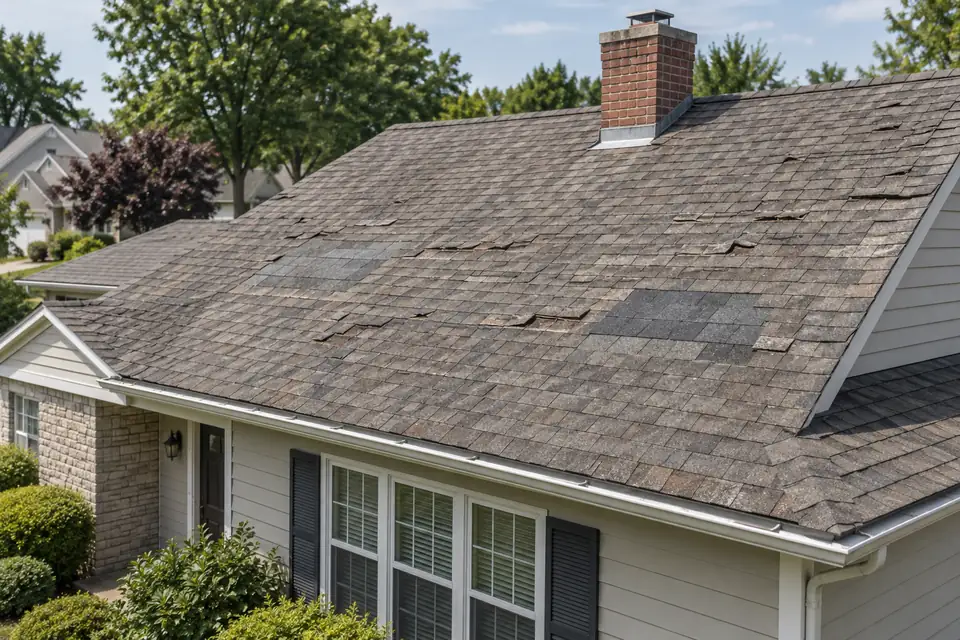
Repair the roof when the damage is in one place, the roof is well short of the end of its expected life and the deck under it is sound. Replace it when the damage is spread across the roof, leaks keep coming back after repairs, or the roof is near the end of its life. The money points the same way: HomeAdvisor's customers report paying $395 to $1,967 for a typical repair and $5,902 to $13,376 for a typical replacement, so a repair is the sensible choice until the roof itself is the problem.
The short answer
A repair fixes a failure. A replacement fixes a roof that is failing everywhere at once. One lifted shingle, one cracked vent boot or one tired piece of flashing is a failure you can fix. Brittle, bald or curling shingles on every slope are a sign that the whole covering has worn out, and patching one spot only moves the next leak somewhere else.
IKO, a shingle manufacturer, sums up its own advice in one line: repair the isolated failures and replace the systemic ones. The rest of this guide is about telling the two apart.
What each one costs
| Job | Typical range | Source |
|---|---|---|
| Roof repair, all types | $395 to $1,967; $1,173 average | HomeAdvisor, June 2026 |
| Minor repair: a few shingles, a small leak, a vent boot | $150 to $1,000 | HomeGuide, February 2026 |
| Moderate repair: larger shingle sections, some water damage | $1,000 to $3,000 | HomeGuide, February 2026 |
| Major repair: several large areas, structural work | $3,000 to $6,000 or more | HomeGuide, February 2026 |
| Full replacement | $5,902 to $13,376; $9,609 average | HomeAdvisor, June 2026 |
A few common repairs, priced on their own:
| Repair | Typical range | Source |
|---|---|---|
| Flashing | $200 to $500 | HomeAdvisor and HomeGuide |
| Leaking roof | $360 to $1,550 | HomeAdvisor |
| Missing shingles, up to about 25 | $100 to $300 | HomeGuide |
| Roof deck, per 100 square feet | $200 to $500 | HomeGuide |
| Sagging roof | $1,500 to $1,700 | HomeAdvisor |
| Truss repair | $500 to $5,000 | HomeAdvisor |
Many roofers charge a minimum of $150 to $300 for any repair visit, according to HomeGuide, so a very small fix still costs that much. For more on the price of a new roof and how to compare estimates, see our guide to roof replacement cost.
How old is the roof?
Age is the first thing to check, because it tells you how much life a repair can buy. InterNACHI, the home inspectors' association, publishes typical life expectancies for roof coverings:
| Roof covering | Typical life expectancy |
|---|---|
| Asphalt shingles, 3-tab | 20 years |
| Asphalt shingles, architectural | 30 years |
| Wood | 25 years |
| Metal | 40 to 80 years |
| Slate | 60 to 150 years |
| Clay or concrete tile | 100 years or more |
InterNACHI treats these as guidelines, not promises: weather, design, material quality and upkeep all change them, and it notes that hot climates shorten the life of asphalt shingles a great deal.
Two cost guides draw the line in the same place. HomeAdvisor says a targeted repair makes the most sense on a roof under 20 years old that is otherwise in good shape. HomeGuide lists a roof more than 20 years old as one of the signs that replacement is likely the better value. If your shingle roof is past 20 and needs more than a small fix, get a replacement price alongside the repair price.
How much of the roof is damaged?
Damage in one spot is a repair. Damage across a slope, or across several slopes, points to replacement. HomeGuide puts a number on it: once damage affects more than 25% of the roof, replacing it is often the better value.
Look at where the trouble is, not only at how bad it is. A leak under one chimney is about that chimney's flashing. Granule loss, cracking or curling that shows on every slope is about the age of the shingles themselves, and it will not stop at the spot you patch.
How many layers are already on it
Some roofs have a second layer of shingles nailed over the first, a job called a recover. It saves the cost of tearing off the old roof once, but only once. The International Residential Code, section R908.3.1.1, does not allow a recover when:
- the roof already has two or more layers of any roof covering,
- the existing roof is water soaked or too deteriorated to be a base for new roofing, or
- the existing covering is slate, clay, cement or asbestos-cement tile.
So if your roof already has two layers, the next roof is a full tear-off, and patching the top layer only delays it. Local codes adopt and amend the model code, so ask your roofer or building department what applies to your house. Each extra layer also adds to the tear-off cost: HomeAdvisor puts removal of an old roof at $1,000 to $3,000 and hauling and disposal at $500 to $1,500.
When repairs stop making sense
A single repair on a sound roof is money well spent. A run of them is a signal. Watch for:
- Leaks that come back after a repair, or new leaks in different places.
- Several patched areas already on the roof.
- A repair estimate that is large. HomeGuide suggests replacement is often the better value once a repair estimate passes $3,000.
- Soft or sagging deck. Rot in the boards under the shingles means the problem is below the covering, and that work is easiest to do with the old roof off.
- Poor earlier work. IKO lists bad workmanship on the existing roof as a reason to replace rather than keep patching.
Add up what you have spent on the roof in the last few years and what the next repair will cost. If that total is heading toward the price of a new roof, and the roof is near the end of its life, the repairs are buying very little time.
When the new shingles won't match
A repair puts new shingles next to old ones, and they rarely look the same. Three things cause the difference:
- Weathering. Old shingles have faded and lost granules. One insurer's policy wording, reprinted in a 2016 report for United Policyholders, names color, fading, oxidation and weathering differences as causes of a mismatch between new and old material.
- Production runs. Even new shingles vary. ARMA, the asphalt roofing manufacturers' association, says color variation on a newly installed roof is not uncommon, and that it shows most on dark colors. GAF, a shingle maker, told its contractors in a 2011 bulletin that only bundles with the same product code should be mixed, because different codes will most likely show as shading.
- Discontinued products. When the shingle line or color on your roof is no longer made, there may be no exact match to buy. The same policy wording names discontinuation as a cause of mismatch.
Before a repair, ask the roofer to identify the shingle on your roof, and look for leftover bundles: GAF prints the color name and product code on the bundle ends. Ask to see a replacement shingle held against the roof before the work starts, and decide whether a visible patch matters to you. On a slope that faces the street, a mismatch you can see from the road is one more point in favor of replacing that slope, or the whole roof if it is near the end of its life.
How insurers treat mismatched shingles
The United Policyholders report gives the typical case: part of a roof is damaged, and replacing only the damaged shingles makes the roof work again but leaves it without its uniform look. The NAIC, the national association of state insurance regulators, published a model regulation in 1997 on fair claims settlement. For policies that pay replacement cost, it says that when replacement items do not match in quality, color or size, the insurer should replace all items in the area so the result has a reasonably uniform appearance.
A model regulation is not law until a state adopts it. The United Policyholders report found that the model has been the basis for statutes or regulations in a number of states, typically with minor variations. It also shows how policies differ. Some policies say outright that they will not pay to replace undamaged property because of a mismatch in color, weathering or discontinuation. Some pay for wind or hail damage to the roof surface on a schedule that falls with the roof's age; in one standard endorsement the report reprints, an asphalt shingle roof 30 years or older is paid at 50% of replacement cost. Courts have ruled both ways.
So what your insurer owes depends on your policy's wording and your state's rules. Read the loss settlement section of your policy, ask the adjuster in writing how matching will be handled, and check with your state's insurance department if you disagree. This is general information, not insurance or legal advice. Our guide to roof insurance claims covers the rest of the process.
A decision checklist
Answer each question, then count the answers in each column.
| Question | Points to repair | Points to replace |
|---|---|---|
| How old is the roof? | Well under its expected life | Near or past it (20 years for 3-tab, 30 for architectural) |
| Where is the damage? | One spot or one feature | Spread across a slope or several slopes |
| How much of the roof is affected? | A small area | More than about a quarter of it |
| Has it leaked before? | First leak | Leaks that return or move around |
| How many layers are on it? | One | Two or more |
| Is the deck sound? | Firm underfoot, no rot found | Soft, sagging or rotted |
| What is the repair estimate? | A few hundred dollars | Several thousand dollars |
| How long will you stay? | Selling soon, roof still sound | Staying for years |
Mostly in the left column: repair, and ask the roofer how many more years the roof should give. Mostly in the right: price a replacement. A mix: ask for both prices and compare them.
Get the repair and the replacement priced separately
Ask a roofer to inspect the whole roof, not only the leak, and to show you photos of what they found. Then ask for two written prices: one for the repair and one for a replacement. With both in hand you can compare the repair against the years it is likely to buy.
A roofer who recommends replacement should be able to point to the reasons in the photos: widespread granule loss, curling or cracking, soft deck, too many layers. HomeGuide also advises caution with a company that pushes for a full replacement when only a minor repair is needed. Before you sign for either job, check the contractor's license, insurance and references: our guide to what to check before you hire a home improvement contractor covers how.
If a storm caused the damage, call your insurer before you sign anything. Homeowners policies generally cover sudden damage such as wind or hail, not the wear of age, and the adjuster's inspection decides what the claim covers.
Frequently asked questions
Can I repair just part of an old roof?
Yes, and on a roof that is otherwise sound it is often the right call. On an old roof, new shingles may not match the faded ones around them, and the old shingles next to the patch may be too brittle to work around without cracking. Ask the roofer to tell you about both problems before the work starts.
Is it cheaper to put new shingles over the old ones?
A recover skips one tear-off, which HomeAdvisor prices at $1,000 to $3,000 for removal plus $500 to $1,500 for disposal. But the model building code does not allow it when the roof already has two layers or the existing roof is water soaked or deteriorated, and it hides the deck from inspection. Ask your roofer what your local code allows before you choose it.
How much does a roof inspection cost?
HomeGuide puts a roof inspection at $100 to $400 on average. Ask whether the price includes photos and a written report, and whether it is credited against the repair if you go ahead.
My roof leaks in one place. Do I need a new roof?
Not usually. A single leak often comes from one flashing, vent boot or damaged shingle, and a repair fixes it. It becomes a replacement question when the roof is near the end of its life, the leak returns after a repair, or the roofer finds damage across the roof.
How long will a repair last?
That depends on the roof around it. A good repair on a roof in the middle of its life can last as long as the rest of the roof. A repair on a roof near the end of its life lasts only until the next worn spot fails. Ask the roofer how many years they expect the rest of the roof to last.
How we got these numbers
HomeAnvil does not yet publish price data of its own. Every figure on this page comes from a published source, read on September 26, 2026:
- HomeAdvisor, roof repair cost, updated June 19, 2026: the typical and average repair cost and the prices for leaks, flashing, sagging roofs and trusses. HomeAdvisor says its figures come from a survey of more than 30,000 customers and other published research.
- HomeAdvisor, roof replacement cost, updated June 17, 2026: the typical and average replacement cost, the cost of removing and disposing of an old roof, and its advice on roofs under 20 years old.
- HomeGuide, roof repair cost, February 9, 2026: the repair cost by damage level, the prices for missing shingles, flashing and deck repair, the minimum visit fee, the inspection cost, and its thresholds for replacement (20 years, a $3,000 repair estimate, 25% of the roof).
- InterNACHI, standard estimated life expectancy chart for homes: the life expectancy of each roof covering. The page carries no date.
- International Residential Code, section R908.3.1.1, the conditions under which a roof recover is not allowed, read in the published code text at UpCodes.
- NAIC, Unfair Property/Casualty Claims Settlement Practices Model Regulation, MDL-902, 1997, read on September 26, 2026: section 9A(2) on replacement items that do not match.
- United Policyholders, "Matching" in replacement cost homeowners insurance policies, prepared by Jay Feinman and others at Rutgers Law School, April 2016, read on September 26, 2026: how the matching problem arises on roofs, policy wording that limits matching, the roof surfacing payment schedule, the spread of the NAIC model into state rules and the split in court decisions.
- ARMA, variations in color appearance on newly installed asphalt shingle roofs, April 8, 2024, read on September 26, 2026: color variation on new roofs and on dark shingles.
- GAF, technical advisory bulletin TAB-R 2011-129, shingle lot numbers explained, May 27, 2011, read on September 26, 2026 from a copy hosted by a third party: product codes on bundle ends and mixing bundles.
- IKO, how to know if you need a new roof, May 13, 2026: its advice on repairing isolated failures and replacing systemic ones.
The ranges in the summary at the top are HomeAdvisor's, rounded to the nearest hundred dollars for the replacement. We will update this page when these sources publish new figures, and the date above will say when.
Related guides
 How much does a roof replacement cost?A roof replacement typically costs $5,900 to $13,400, or $400 to $1,100 per square installed. How to measure your roof, what moves the price and how to compare estimates.
 What are the signs you need a new roof?The signs a roof needs replacing, outside and in: age past 20 to 30 years for shingles, bald or curling shingles, repeat leaks, a sagging line. What each means.
 How does a roof insurance claim work after a storm?Insurance usually pays for sudden wind or hail damage, not wear. Wind/hail deductibles often run 1% to 5% of your home's insured value. How a claim works.
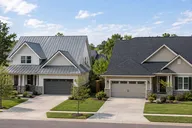 Is a metal roof worth it over asphalt shingles?A standing-seam metal roof costs about 1.6 times as much as asphalt shingles ($51,865 against $31,871) but is rated to last 40 to 80 years instead of 20 to 30.
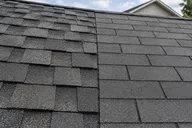 Are architectural shingles worth it over 3-tab shingles?Architectural shingles start near $3.50 a square foot against $1.50 for 3-tab, last about 30 years instead of 20, and carry longer warranties.
 What to check before you hire a contractorFive things to ask for before you sign with a roofing, siding, window, bath or HVAC contractor, wherever you live in the United States.